Home Pest Control for Orlando Homes
Request an estimate from a provider
Finding pests in your house for the first time feels awful. Take a breath. Most home pest problems have a simple cause, like a crack by a door, a damp corner, or a crumb trail. Once you know the cause, the fix makes sense.
Joshmore Pest Control is a referral service. We explain what is probably happening, walk you through the first hour, and connect you with independent providers in our network. The providers inspect, treat, and follow up. You get to ask questions, compare quotes, and decide with no obligation. Whether it is ants, roaches, spiders, crickets, or mice, you can start here and move at your own pace.
Pests in Your Home? Breathe, Then Look
Maybe you saw a roach at midnight. Maybe a line of ants is marching across the counter. Your stomach drops. That reaction is normal. Think of it like finding a drip under the sink: it feels big, but it usually has a small, findable cause.
Home pest control means finding what is getting in, treating it, and making the house less inviting. Joshmore Pest Control does not do that work. We explain the basics and connect you with independent providers in our network who do.
Your First Hour, Step by Step
Step One: Look Closely and Take a Photo
Snap a clear picture of the pest. If you can, catch one in a jar or under clear tape. A good photo helps a provider name the pest quickly. Clues before chemicals.
Step Two: Take Away the Dinner Invitation
Wipe counters, seal pet food, and take out the trash. Pests follow food smells like guests following the smell of a roast. Remove the roast and fewer guests stay.
Step Three: Hold Off on the Spray Cans
Store-bought foggers and heavy spraying can push some pests deeper into walls, where they are harder to reach. A short pause is usually wiser than a panic spray.
Step Four: Write Down What You Saw
Note where you saw the pest, what time, and how many. Add any droppings, chew marks, or damp spots. A provider can use these notes like a map.
Why Acting Early Matters
A small pest problem is like a weed in a garden bed. Pull it early and it is a chore. Wait a season and it has spread roots everywhere.
Our humid climate makes this more true. Warmth, moisture, and almost daily summer storms mean insects breed fast and look for dry shelter indoors. Many block homes on slabs have small gaps around pipes, garage doors, and window frames. Those gaps are open doors to a tiny visitor.
What Home Pest Control Covers
Residential pest control is more than a quick spray. A provider in our network may offer:
- An inspection of the inside, outside, attic, and garage
- Treatment of the pest's hiding spots and travel paths
- A perimeter treatment around the foundation
- Advice on sealing entry points and fixing moisture
- Follow-up visits to check that treatment is working
Ask each provider exactly what is included, because offers differ.
Common Pests Providers Treat
Most home visits involve ants, roaches, spiders, crickets, and mice or rats. Each one tells a different story. Ants usually mean food or moisture nearby. Roaches point to warm, damp hiding spots. Crickets often come in from outdoor lighting and cool, wet yards.
Bed bug treatment is its own kind of job. It often needs a careful plan, several visits, and prep work from you. Rodents, large animals, and termites have their own approaches, so ask a provider which service fits what you found.
Questions About Product Safety
Think of a pest product like a medicine. The label matters, and so does the dose. It is fair to ask questions before anyone treats your home. Ask, then decide.
- Which products will be used, and where?
- How long should kids and pets stay out of treated areas?
- Are there options with fewer odors or lower-impact products?
- Should food, dishes, or toys be moved first?
A good provider will answer clearly and share the product label on request.
One-Time Treatment or Ongoing Plan?
A one-time visit is like a dental filling. It fixes a specific problem now. An ongoing plan is like regular cleanings. It keeps small issues from growing.
If you saw one stray spider, a single visit may be enough. If you live in a subdivision or condo where pests move between homes, or your yard stays damp, a regular plan may make more sense. Either way, ask for the terms in writing.
Choosing a Pest Control Provider
Typing "exterminator near me" gives you a long list of names. Narrow it down with a few simple questions:
- Is the provider licensed to treat homes in your state?
- Do they carry liability insurance?
- Will they give a written quote that lists what is covered?
- What happens if the pests come back between visits?
Getting more than one quote is reasonable. Prices and methods vary by provider, so comparing is smart, not rude.
Helping Treatment Work
You play a small part, and it matters. Follow your provider's prep list, since some treatments need cleared floors or moved furniture. Then try these habits:
- Fix leaky pipes and dry damp spots
- Trim plants and branches away from walls and the roof
- Store food in sealed containers
- Seal small gaps around doors, vents, and pipes
- Empty the trash often
After a Storm
Heavy rain and hurricane season can drive pests indoors. Water pushes ants and roaches out of the ground and out of flooded areas. After a big storm, check door sweeps, garage seals, and standing water near the house. If you see more pests than usual, tell your provider.
When to Get Help Right Away
If you see a lot of pests, bites, droppings near food, or signs in several rooms, do not wait it out. Request a callback to check provider availability, or use the request form.
What's Included
Full Inspection
A provider checks inside, outside, the garage, and the attic to find where pests hide and enter.
Targeted Treatment
Products go where pests travel and nest, not everywhere in the house.
Entry Point Advice
Providers point out gaps, leaks, and damp spots that invite pests so you can fix them.
Follow-Up Visits
Many plans include a return visit to confirm the treatment worked and catch anything that remains.
Typical Pest Control Costs
Prices depend on your home's size, the pest, and how bad the problem is. These are typical U.S. ranges only. Always ask each provider for a written quote before work begins.
| Service | Typical range | Notes |
|---|---|---|
| Inspection only | $75 – $250 | Some providers apply it to treatment |
| One-time general treatment | $150 – $400 | Common for ants, spiders, crickets |
| Ongoing plan, per visit | $40 – $150 | Often quarterly or every other month |
| Roach treatment | $150 – $600 | Heavier infestations need repeat visits |
| Mouse or rat control | $200 – $700 | Varies with sealing and trapping needs |
| Bed bug treatment | $300 – $2,500 | Depends on rooms, method, and visits |
How It Works
Look and Photograph
Take a clear photo of the pest and note where and when you saw it.
Tidy Food and Water
Seal food, wipe counters, and dry any damp spots nearby.
Ask Providers
Request an estimate, or request a callback to check provider availability.
Compare, Then Choose
Review written quotes, ask about products, and pick the provider that fits.
Why Call Joshmore Pest Control
Plain Guidance
We explain what the pest likely is and what to do first, in simple words.
Independent Providers
You are connected with local providers who do the actual inspection and treatment.
Your Pace
Ask questions and compare quotes. There is no obligation to hire anyone.
Local Knowledge
Providers know how humidity, storms, and local home styles affect pests.
Other Services
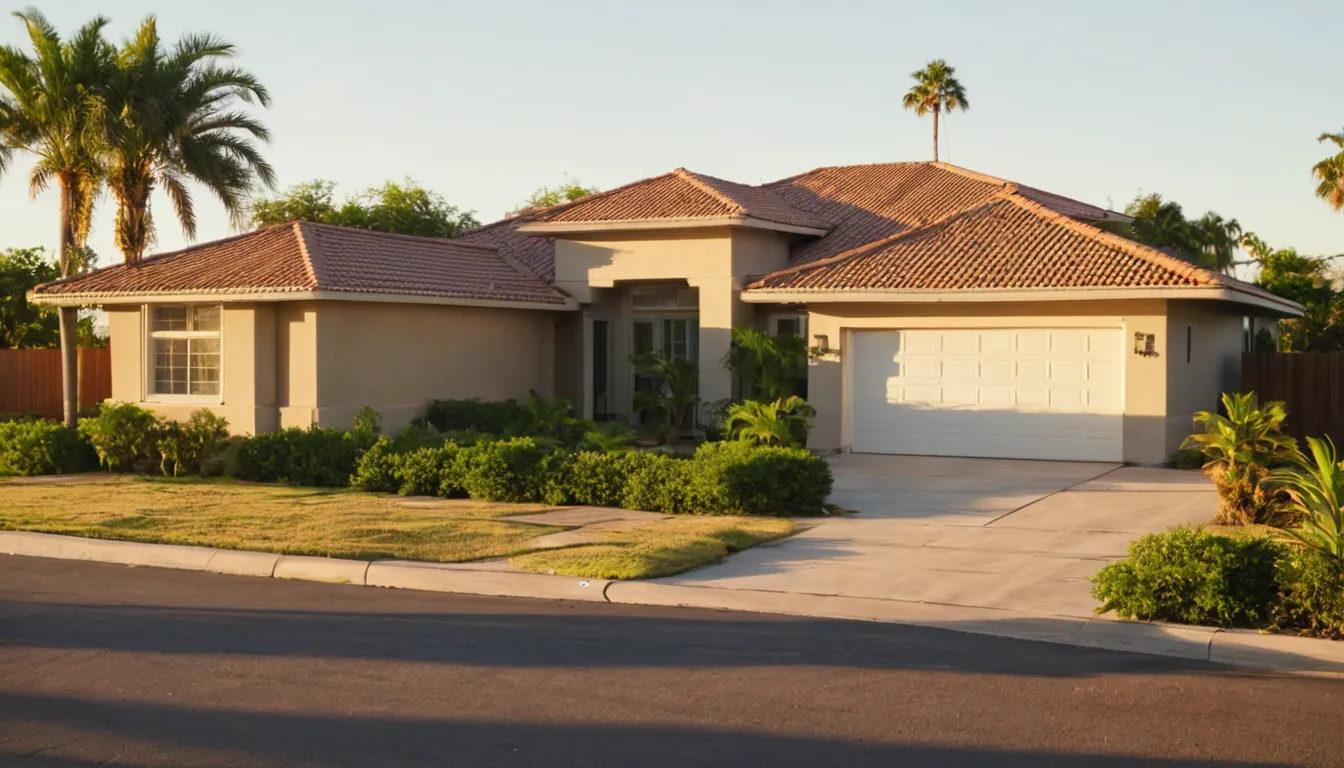
Need home pest control in Orlando?
Not sure what you are seeing? Send a short note or ask for a callback. A local provider in our network can help you plan the next step.
No obligationHome Pest Control FAQ
What should I do first when I find pests in my house?
Stay calm and take a clear photo of the pest. Wipe up food and crumbs, seal the trash, and skip heavy spraying. Then request an estimate from a provider who can inspect and name the problem.
Is pest control safe for kids and pets?
Providers use products with label directions for safe use. Ask which products they plan to use, how long people and pets should stay out of treated areas, and what prep you need to do first.
How often should a home get pest control?
It depends on the pest and your home. A single visit may solve a one-time problem. In humid areas, many homeowners choose regular visits every few months. Ask a provider what fits your situation.
Request a callback
Not sure what you are seeing? Send a short note or ask for a callback. A local provider in our network can help you plan the next step.
No obligation